

Welcoming a new baby into your life is a joyous experience, filled with countless moments of happiness and love. However, it also comes with its fair share of challenges, such as dealing with colic and gas during feeding times. Many parents find themselves on a quest for the perfect baby bottle to soothe their little one’s tummy and ensure a smooth, fuss-free feeding experience. In this guide, we delve into the features that make certain baby bottles stand out, explore essential qualities to consider, and provide practical tips for transitioning your baby effortlessly between breastfeeding and bottle feeding.
Exploring Top Anti-Colic Baby Bottles: Features for Fuss-Free Feeding
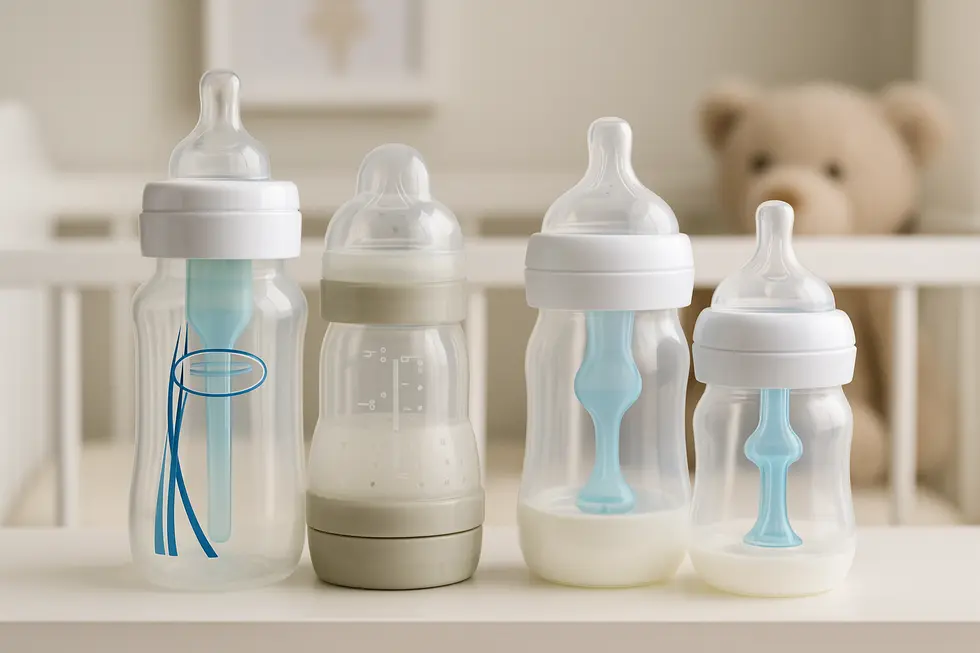
When it comes to providing a comfortable feeding experience for both babies and parents, the right bottle can make a significant difference. The market is filled with options, but a few stand out for their innovative designs in combating common feeding challenges such as colic and gas. Dr. Brown’s Anti-Colic Options+ is a frontrunner in this category, primarily due to its distinctive vacuum-free vent system. This technology is clinically validated to help reduce colic by thwarting air bubble formations during feeding. Such features facilitate seamless transitions between breast and bottle feeding, aided by its breast-like teat. Additionally, the removable internal vent offers adaptability, allowing parents to choose between standard and anti-colic feeding modes, thus catering to diverse feeding needs.
Adding to the array of effective options, Lansinoh NaturalWave® Bottles have an Air Ventilation System that cuts down air intake, consequently minimizing gas and fussiness. Their natural nipple design decreases the likelihood of nipple confusion, benefiting families alternating between breastfeeding and bottle feeding. This careful design supports smoother transitions, ensuring that your baby’s feeding routine remains uninterrupted and comfortable.
Another notable contender is the MAM Easy Start Anti-Colic Bottle. Featuring a patented vented base, MAM bottles are engineered to prevent vacuum build-up inside the bottle, instrumental in significantly mitigating colic and reflux symptoms. This innovation ensures that airflow is directed appropriately, reducing the chance of swallowed air mixing with milk, a common cause of discomfort during feeds.
Likewise, Tommee Tippee Anti-Colic Bottles have crafted a reputation for effectively reducing swallowed air through their advanced venting systems. Their natural shape and feel aim to replicate the breastfeeding experience, allowing for fuss-free transition across different feeding methods.
While each of these bottles is unique, they share a common goal: reducing air intake to prevent gas build-up, which contributes to colicky discomfort. Bottles like Dr. Brown’s and MAM are frequently recommended in reviews from reliable sources such as Mother & Baby. They are celebrated for their design focus on mimicking breastfeeding actions and addressing colicky symptoms proficiently, offering peace of mind and a smoother feeding experience for both infants and caregivers.
Unveiling Features: The Secret to Choosing the Right Anti-Colic Baby Bottle
Navigating the world of baby feeding can be a daunting task, especially when you are trying to alleviate the discomfort of colic and gas. The right baby bottle can make all the difference, transforming feeding time from a stressful chore to a peaceful bonding moment. Selecting a bottle equipped with crucial features can significantly reduce instances of fussiness linked to colic.
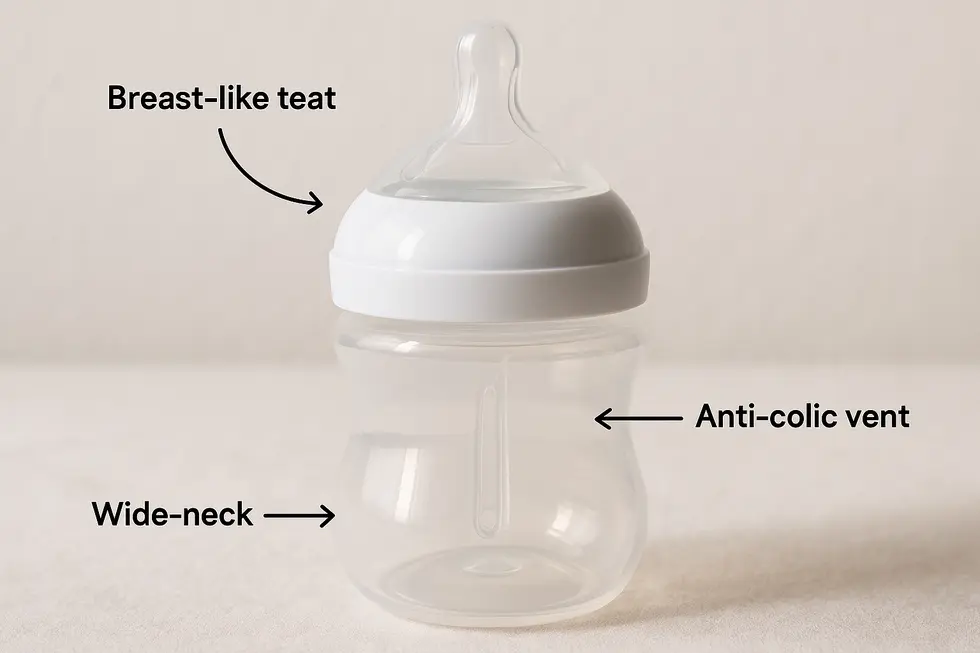
Key to this choice is the anti-colic venting system. Bottles designed with vents or valves are transformative, as they inhibit air from mixing with milk. This is vital for minimizing gas, spit-up, and the symptoms of colic. Take, for instance, Dr. Brown’s Natural Flow Anti-Colic bottles, renowned for their vacuum-free vent system clinically proven to ease colic issues.
The next feature to consider is the breast-like teat. Babies accustomed to breastfeeding benefit from nipples that mimic the shape and feel of the breast. This helps reduce nipple confusion, making it easier for them to transition between breast and bottle feeding. A well-designed teat not only promotes a comfortable latch but also ensures the baby’s natural sucking rhythm is maintained.
Additionally, wide necks are an often overlooked yet invaluable feature. A bottle with a wide opening facilitates easier filling, cleaning, and improves grip. This convenience translates into more efficient feeding sessions and hygiene.
Ergonomic shape and anti-slip textures enhance not only the baby’s comfort but that of the parent’s during feeding. A bottle that is easy to hold and maneuver can transform feeding into a more comfortable experience for both parties, reducing the likelihood of spills or discomfort during lengthy sessions.
Equally important is ensuring the bottle is made from BPA-free materials. Both plastic and glass options should be scrutinized for safety, as avoiding harmful chemicals is essential in maintaining your baby’s health.
Some bottles also offer adaptable features like adjustable flow rates, which suit both newborns and older infants, accommodating their varied sucking speeds and preventing nipple collapse. Moreover, having the option to use these bottles without the anti-colic vent system allows flexibility as your child grows.
Choosing the right bottle, equipped with these thoughtful designs, can substantially lessen the struggles associated with colic and gas, leading to smoother, more enjoyable feeding routines.
For further reading on top-performing models and safety tips, you might find value in checking sources such as Mother & Baby’s comprehensive product guides. This detailed examination can offer guidance and reassurance in your pursuit of finding the perfect baby bottle.
Navigating the Best Baby Bottles: Strategies for Smooth Transition and Optimal Use

Choosing the right bottle for your baby can significantly influence not only feeding ease but also their comfort. For parents dealing with babies who experience colic and gas, selecting bottles that feature advanced anti-colic vent systems is vital. These systems are specially designed to minimize air ingestion, thereby reducing gas and associated fussiness. Among the most recommended bottles are Dr. Brown’s Anti-Colic Options+, MAM Easy Start Anti-Colic, and Philips Avent Natural Baby Bottles.
Dr. Brown’s Anti-Colic Options+ bottles are renowned for their unique vacuum-free internal vent system, which is clinically proven to reduce both gas and colic by preventing the formation of bubbles during feeding. This design mirrors the natural flow of breastfeeding, making transitions smoother for babies. Its versatility allows parents to use the bottle with or without the anti-colic feature, adding a layer of convenience and adaptability.
MAM Easy Start Anti-Colic bottles boast an intricate internal vent system that virtually eradicates excessive airflow, significantly reducing colic and spit-up episodes. The inclusion of silicone nipples shaped to resemble the breast aids in a smoother transition from breast to bottle, comforting the baby more effectively. Moreover, parents appreciate these bottles for being BPA and BPS-free, dishwasher safe, and microwave sterilizable, reinforcing their ease of use.
Meanwhile, Philips Avent Natural Baby Bottles utilize Natural Response Nipples that release milk only when the baby actively feeds, allowing necessary pauses for swallowing and breathing. This feature reduces tummy discomfort thanks to its integrated anti-colic valve. These bottles are also BPA-free, promoting safety and hygiene with their easy-to-clean wide neck design.
To make the transition from breastfeeding to bottle-feeding as seamless as possible, consider gradually introducing a bottle with a nipple that closely mimics the breast. This step helps in minimizing nipple confusion and eases the transition. Practicing skin-to-skin contact during bottle feeding can also offer the baby a sense of closeness akin to breastfeeding, potentially reducing fussiness. Additionally, using slow-flow nipples can align with the baby’s natural sucking rhythm, mitigating the risk of excessive air intake and the subsequent gas buildup.
Parents may also find it beneficial to consult with pediatricians or seek advice from experienced parents about bottle recommendations tailored to their baby’s specific necessities, especially in severe cases of colic or gas. Pairing these bottles with specialty formulas, like HiPP Comfort or Holle Goat Milk Formula, can further aid babies prone to digestive discomfort.
For more insights into baby bottle choices and comprehensive reviews, visit Mother&Baby.
Final thoughts
Finding the right baby bottle can make a world of difference for both you and your baby. By choosing from the best bottles for colic and gas reduction, considering essential features, and using effective transitioning techniques, you ensure a smoother, more comfortable feeding experience. This investment not only helps alleviate your baby’s discomfort but also enhances bonding moments. Stay informed, choose wisely, and enjoy every precious moment with your little one.
Loved what you read? Discover the baby accessories parents are raving about! From cozy swaddles to stylish diaper bags – explore our handpicked collection today!
About us
At Baby Bliss, we are committed to bringing you the finest baby products and accessories that make parenting a delightful journey. From innovative feeding solutions to timeless nursery essentials, we provide curated selections that cater to the modern parent’s needs. Trust us to be your partner in creating a nurturing and joyful environment for your little one.